19 Feb 2026
Why Some Shoppers Always Get the Best Deals: Habits & Systems
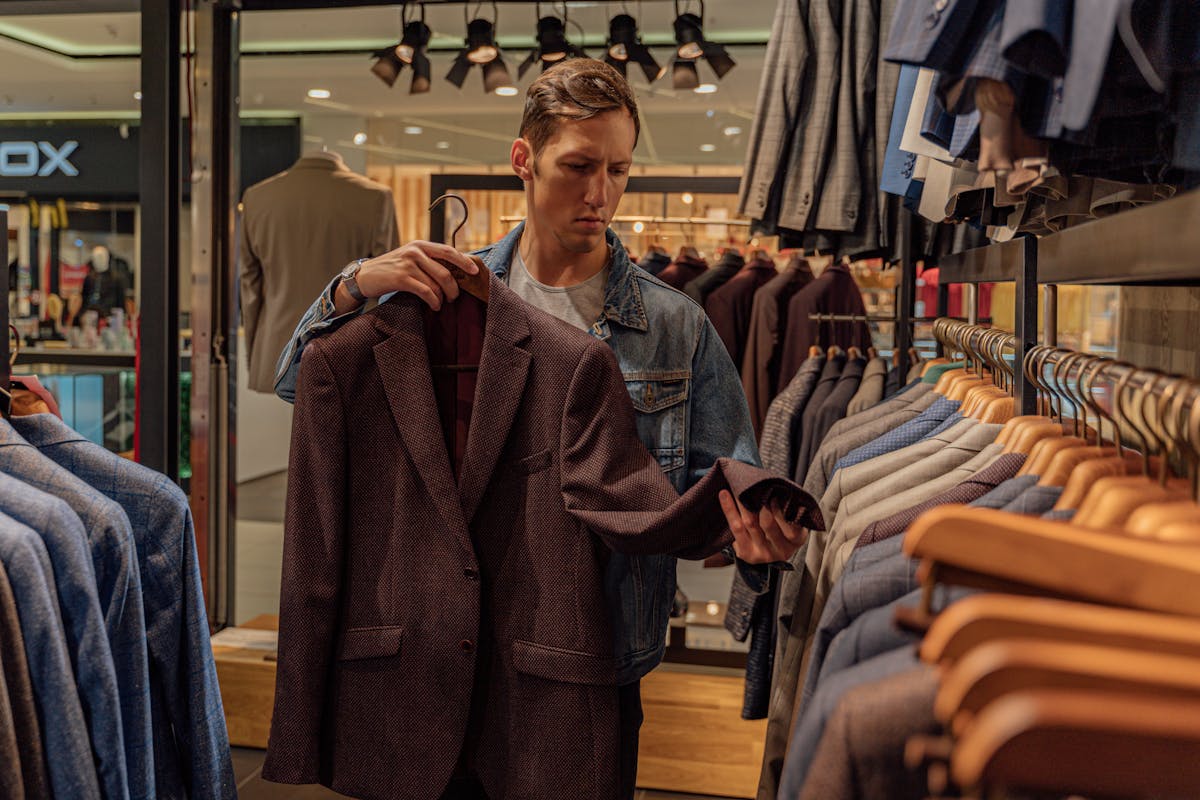
Some people always seem to get the best deals. It's not luck—it's habits and systems. They use one place to see markdowns, filter by discount, set alerts, and ignore fake urgency. This guide explains why some shoppers always get the best deals and how you can build the same habits.
They don't rely on luck
The shoppers who consistently get great deals don't wait for a random email or a banner. They have a system: they know where to look, when to look, and how to filter so they only see real discounts. That system is repeatable—anyone can copy it. The first step is accepting that "checking when I remember" isn't a system; it's luck. The second is building something simple that puts you in the right place at the right time.
One place, one feed
Deal-focused shoppers don't open dozens of tabs. They use one aggregator that pulls live sale inventory from many retailers. One feed, one search, one set of filters. When new markdowns land, they show up in that feed—so they see them early instead of when they happen to visit the right site. Consolidating where you look is the foundation; everything else (filters, alerts) builds on it.
The best deal is the one you actually see. One feed means you see more of them—and sooner.
— On Sale
Discount filters, not banners
"Up to 70% off" doesn't mean everything is 70% off. Savvy shoppers filter by discount level—e.g. show only items 50% off or more—so they're looking at products that actually meet their threshold. They ignore the banner and focus on the percentage shown per product (from live data). When you filter that way, you stop wading through shallow markdowns and only spend time on the deals that match what you want.
Alerts and timing
You can't be everywhere at once. People who get the best deals set alerts for the brands or categories they care about. When something new goes on sale that matches, they're notified. They also have a rough sense of timing—when their target retailers typically add new markdowns or restock—so they check (or get alerted) at the right moment. Alerts + timing turn "I hope I see it" into "I'm told when it's there."
They ignore the noise
Countdown timers that reset, "was" prices that were never real, and endless "sale" banners are designed to create urgency—not to inform. Shoppers who get the best deals ignore that. They care about the actual discount on the product (from live data), the actual price, and whether the item is in stock. They use tools that show real markdowns from retailers, so they're not pushed into buying by fake scarcity or inflated compare-at prices.
Building your own system
You don't need a complex system. You need: (1) one place that shows live sale inventory from multiple stores, (2) the ability to filter by discount so you only see items that meet your target, (3) alerts for brands or categories you actually buy, and (4) a habit of ignoring fake urgency and "was" prices. Once that's in place, you're not hoping for a deal—you're set up to see it when it drops and decide with real information.
Summary
Some shoppers always get the best deals because they use habits and systems: one feed instead of scattered tabs, discount filters instead of banners, alerts for the brands they care about, and a refusal to be rushed by fake urgency. You can build the same: choose one place to see markdowns, filter by discount, set alerts, and ignore the noise. The deals are there—you just need a system that surfaces them for you.
Find real sales at On Sale Finder
Filter by discount, set alerts for your favorite brands, and browse live sale inventory from hundreds of retailers—all in one place.
Go to onsalefinder.com →