2 Dec 2025
Why the Same Product Is Different Prices Everywhere (And How to Find the Cheapest One)
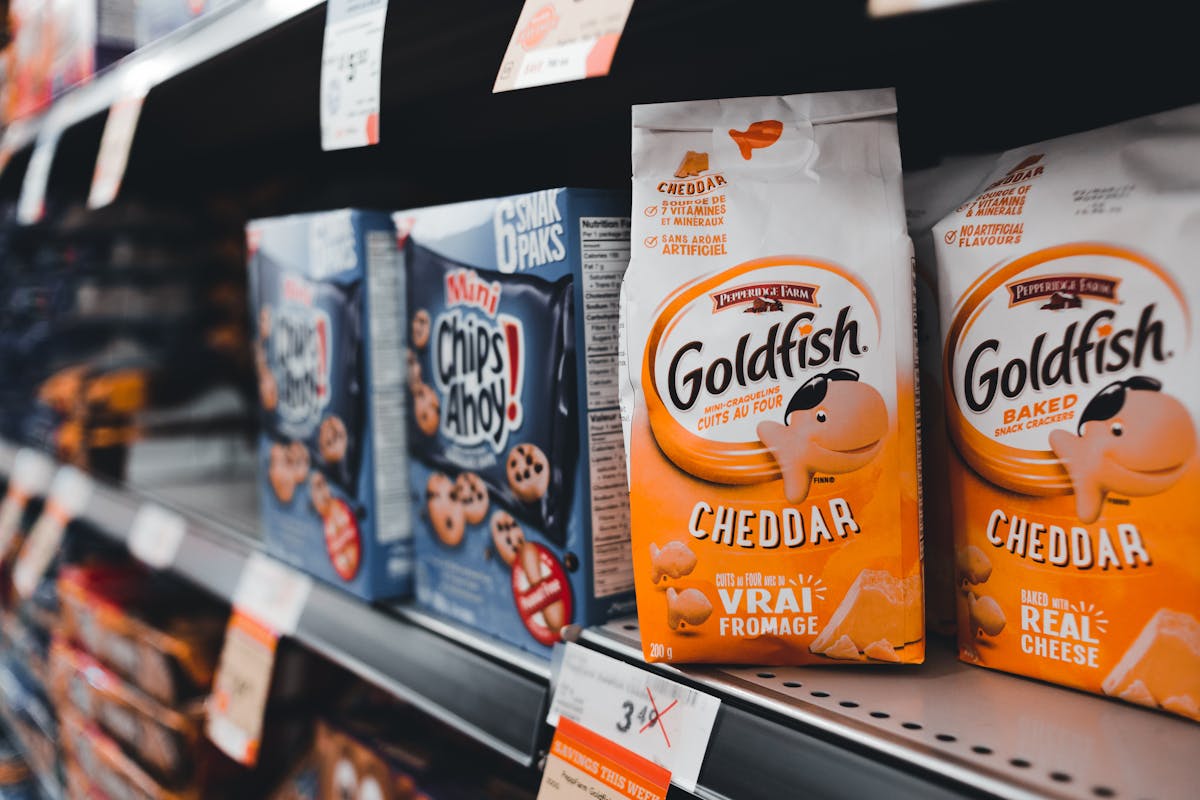
The same pair of shoes or the same laptop can be £80 on one site and £120 on another. Price differences aren't random—they come from how retailers buy, when they discount, and where they sell. This guide explains why the same product has different prices everywhere and how to find the cheapest one before you buy.
Why the same product costs more (or less) in different places
No single "right" price exists for most products. Retailers set prices based on their costs, their brand (premium vs value), how much stock they have, and what their competitors are doing. The same item can be full price at one store and on sale at another simply because one is clearing stock or running a promotion. Understanding that helps you stop assuming the first price you see is the only price.
Retailer margins and positioning
Some retailers compete on low prices every day; others charge more and rely on convenience, service, or exclusivity. A department store might sell the same coat at a higher price than a discount chain because of where it's positioned in the market. Outlet and off-price channels often get the same goods at lower cost from brands and pass some of that on. So the "same" product can have a different baseline depending on who's selling it—before any sale is applied.
The same product can be full price in one place and on sale in another. Your job is to see both—and buy where it's cheapest.
— On Sale
Timing, stock, and sales cycles
When a store has too much stock or a new season is coming, it marks down. So the same item might be full price at Store A and already in the sale at Store B because Store B started its sale earlier or had more leftover stock. Sales cycles and clearance timing vary by retailer. If you're flexible on when you buy, you can often find the same product cheaper by waiting for a markdown or checking a store that's further along in its cycle.
Region and channel
Prices can differ by country or region (currency, taxes, local competition). Even within one country, online vs in-store, or one marketplace vs another, can show different prices for the same SKU. Third-party sellers on marketplaces may undercut the main listing. So "everywhere" doesn't mean one shop—it means checking several retailers and channels before you assume you've seen the best price.
How to find the cheapest price
Use a single place that aggregates live sale inventory from many retailers so you can see the same (or equivalent) product across stores and filter by price or discount. Set alerts for the product or brand so you're notified when it goes on sale somewhere. Before you buy, do a quick comparison: search by product name or key details and compare the sale price you see with what a couple of other retailers are offering. Often the "cheapest" is the store that's running a steeper markdown or clearance, not the one that advertises the most.
Summary
The same product is different prices everywhere because of retailer margins, positioning, timing (who's on sale when), stock levels, and channel (store, site, marketplace). To find the cheapest: use an aggregator that shows multiple retailers, filter by discount or price, set alerts for the product or brand, and compare a few options before you buy. Don't assume the first price you see is the only—or the best—price.
Find real sales at On Sale Finder
Filter by discount, set alerts for your favorite brands, and browse live sale inventory from hundreds of retailers—all in one place.
Go to onsalefinder.com →